
By DEBRA HAIGHT
BCR Correspondent
Specialty problem solving courts in Berrien and Cass Counties will continue to operate in 2019 after receiving state funding for their programs. Among the court programs are those addressing sobriety, family issues, mental health and drug treatment.
Problem-solving courts are nontraditional programs that focus on nonviolent offenders whose underlying medical and social problems have contributed to recurring contacts with the criminal justice system.
The Berrien County Board of Commissioners recently accepted state grants from the Michigan Supreme Court Administrative Office for three of the problem solving court programs for the 2019 fiscal year.
Berrien County is getting $175,000 for the operation of the Swift and Sure Probation program in the county and will provide an in kind match of just under $8,200.
That program’s primary goals are to assist felony probationers reduce the number and frequency of probation office appointments missed, the number and frequency of positive drug and alcohol tests, the amount of recidivism among probations and the number of felony probation revocations.
The county is also getting $274,000 from the Supreme Court Administrative Office to run the Regional Mental Health Court in conjunction with Cass County and two counseling services, Riverwood and Woodlands. The local money match is over $23,000.
The program’s goals are to connect 80 percent of program participants with mental health services within 21 days of screening and to keep them free from the abuse of illegal substances for 60 days before graduation. Participants are also encouraged to establish stable living arrangements, not commit new crimes and to keep getting counseling.
Berrien County will get $50,000 from the state for the county’s Drug Court program and provide a match of $86,000 in local funds. The Drug Court program has also been awarded additional funds from the Office of Community Corrections and Southwest Michigan Behavioral Health.
The program’s purpose is to combine random drug testing with inpatient and outpatient treatment to keep participants drug free.
Cass County officials also reported that the county has received 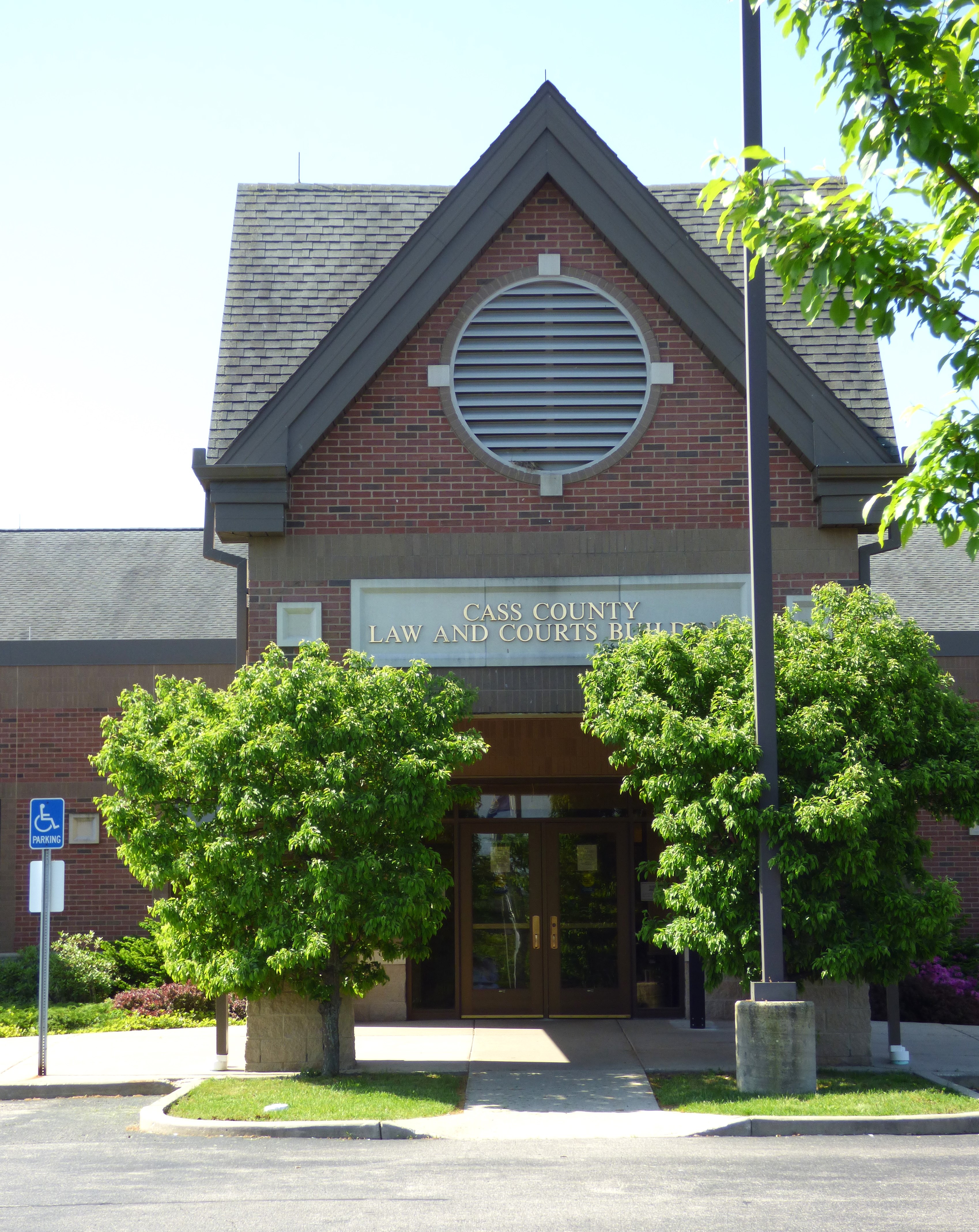 $678,000 from the State Court Administrative Office for the county’s problem solving treatment courts for the 2019 fiscal year.
Chief Judge Susan Dobrich said that the county’s Family Treatment Court, Swift & Sure Sanctions Probation Program, Hybrid DWI/Drug Court and Berrien/Cass Regional Mental Health Court all received funding from the state.
Grants received included $98,000 from the Michigan Drug Court Grant Program for the Family Treatment Court, $176,000 from the SSSPP grant for the Swift and Sure Sanctions Probation Program and $130,000 for the Hybrid Drug and Sobriety Court. As noted above, Berrien and Cass counties are sharing the $274,000 mental health court grant.
State-wide, nearly $3.5 million in grant funding has been awarded to 25 courts in 28 counties around the state to fund their Swift and Sure programs. The SSSPP targets high-risk felony offenders with a history of probation violations or failures.
Data from 2017 show that unemployment among Swift and Sure graduates was reduced by more than two-thirds. Previous analysis also showed that graduates were 36 percent less likely to reoffend, compared to those who completed regular probation programs.
“Through intensive oversight and supervision, individuals in Swift and Sure programs get the specialized and structured help they need to avoid falling back into habits that may have prevented them from succeeding in traditional probation programs,” said Justice Elizabeth T. Clement at a graduation ceremony in the 48th Circuit Court in Allegan.
“I am proud that the Supreme Court has been able to support these programs with critical funding that enables them to help them strengthen communities and save lives around the state.”
State-wide, 31 mental health courts are getting nearly $5.2 Million from Supreme Court Administrative Office. Extensive analysis shows that graduates of mental health courts statewide were nearly two times less likely to commit another crime two years after completing a program.
“A big thank you to mental health court judges and staff, and congratulations to the graduates of these life-saving courts,” Justice Clement said at a recent graduation ceremony. “Through treatment, community support, and strict supervision, these courts are making sure graduates can get the help they need, take care of their families, and build stronger communities.”
Drug and sobriety court programs state-wide will get more than $12 million in grants to operate in 80 courts in 2019. Extensive follow-up analysis shows that adult drug court graduates were much less likely to commit another crime and unemployment among adult drug court graduates was reduced by 100 percent.
“I could not be prouder of the proven track record of Michigan’s drug and sobriety courts. They are not only drastically reducing recidivism rates and saving taxpayer dollars, but more importantly, they are saving lives and strengthening our communities,” Justice Clement said. “Funding these effective and life-changing programs is a huge win for our state.”
Leave a Reply
You must be logged in to post a comment.