

By DEBRA HAIGHT
BCR Correspondent
DOWAGIAC – The Pokagon Band of the Potawatomi has been recognized by the state of Michigan for their innovative efforts to combat the substance abuse problems of its tribal members. Meanwhile, two construction projects on the band’s Dowagiac campus have started to expand justice and health services.
Tribal officials announced last week that they have received the Treatment and System Transformation Award from the Michigan Department of Health and Human Services, Office of Recovery Systems of Care. The award was presented last month at the 19th Annual Michigan Substance Abuse and Co-Occurring Disorder Conference in Grand Rapids.
This is the first time a Native American tribe has won the award in Michigan. To be considered for this award, the program must focus on the individual and family in need of recovery services.
The award was given for the tribe’s use of innovative treatment approaches for those struggling with a substance abuse disorder, such as holistic options and relationships with community treatment networks.
“We are proud to have initiatives like this one that supports health services for Native Americans,” Tribal Chairman Matthew Wesaw said. “The epidemic is especially severe in rural areas and among Native Americans. Deaths from opiate overdose in rural areas rose by 325 percent since 2000, and by more than 500 percent among Native Americans.”
“Native Americans fare the worst of all people of color, according to the Centers for Disease Control and Prevention,” he noted. “Our vision is to decrease the number of people who become addicted to opiates, and to greatly decrease the numbers of unintentional deaths by overdose.”
Innovation is the key to much of the work being done at the tribe’s
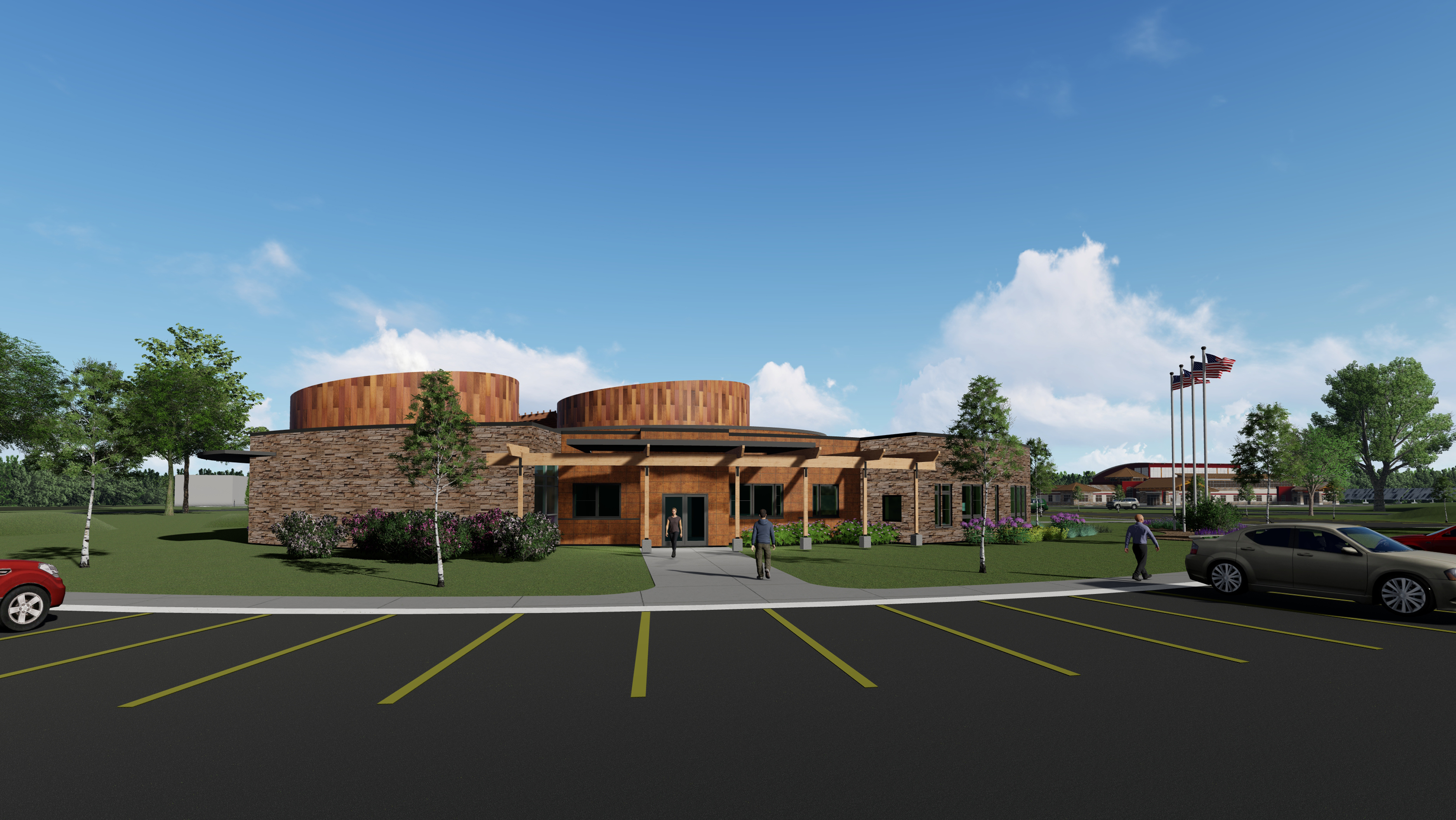
Rodgers Lake campus off Sink Road. Construction has started on $25 million worth of improvements including a new justice center, an addition to the health services building and new water lines.
Ground was broke on the new Justice Center in August and shoud be done in late 2019, Tribal Government Manager Jason Wesaw said. The new 23,000 square foot facility is more than 10 times the size of the current Tribal Court building and will house both police and court offices.
Wesaw said tribal police services for the Dowagiac area will be moved from the tribe’s current offices on M-51 south of Dowagiac, while tribal police offices in Hartford, New Buffalo and South Bend will stay in their current locations.
“The Dowagiac justice center will be unique as it will be a law enforcement building on tribal sovereign land,” he said. “It will also give us better space for what we’re doing.”
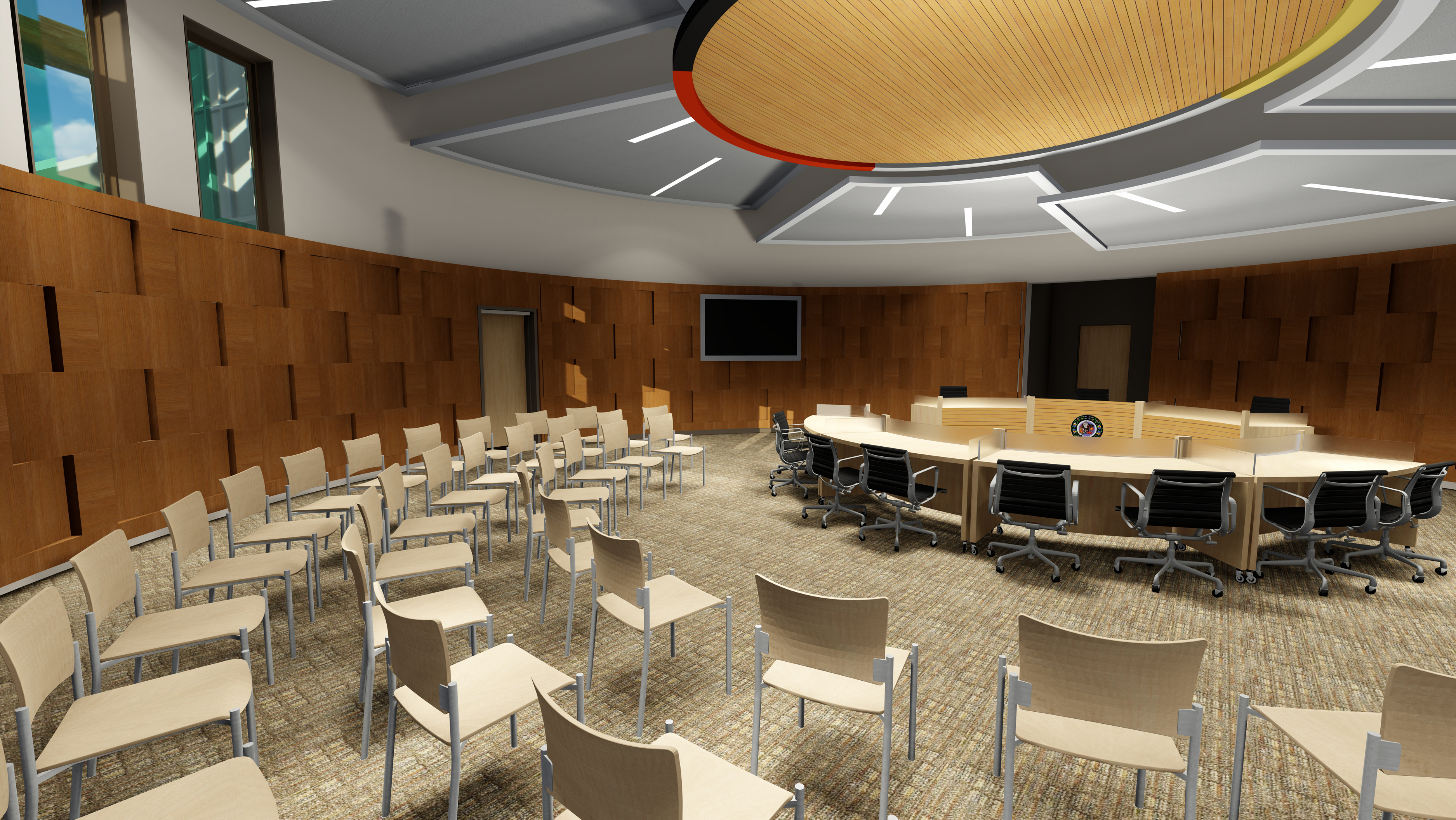
The building’s will be divided equally between the police and court sides with a clear line of separation including separate entrances for safety’s sake. The court side of the building will include a courtroom as well as space and offices for judges, lawyers and administration.
Wesaw said the new courtroom will look different than most. “It will be different than the traditional courtroom as it will circular and emphasize peacemaking as much as justice,” he said. “We’ve been working on how to put our cultural stamp on the building for about three years.”
Under native justice, more emphasis is placed on handling grievances through peacemaking such as handling disputes one on one or bringing in a respected elder to settle disputes, he said.
The tribal court has operated for over 20 years since the band was
officially recognized. It has jurisdiction over incidents occurring on tribal land including the casinos as well as civil matters such as custody, adoptions and marriages. The tribe relies on five judges including retired Berrien County Judge David Peterson.
Pokagon Health Services opened four years ago to provide a central location where tribal members could go to get medical, dental and behavioral health services. The building is being expanded to not only provide more space for medical services but also a family activities center.
“We now see 2,400 to 2,500 patients and we have people come from all over including Chicago, Grand Rapids and Indianapolis,” Wesaw said. “The building has 23,000 square feet now and we are adding 10,000 square feet more.”
The family activities center will include a gymnasium style space so that tribal members can hold large events including indoor pow wows on site rather than at an area public school or college, he said. It will also have a new café.
Leave a Reply
You must be logged in to post a comment.